

SCIENCE WORTH DANCING ABOUT
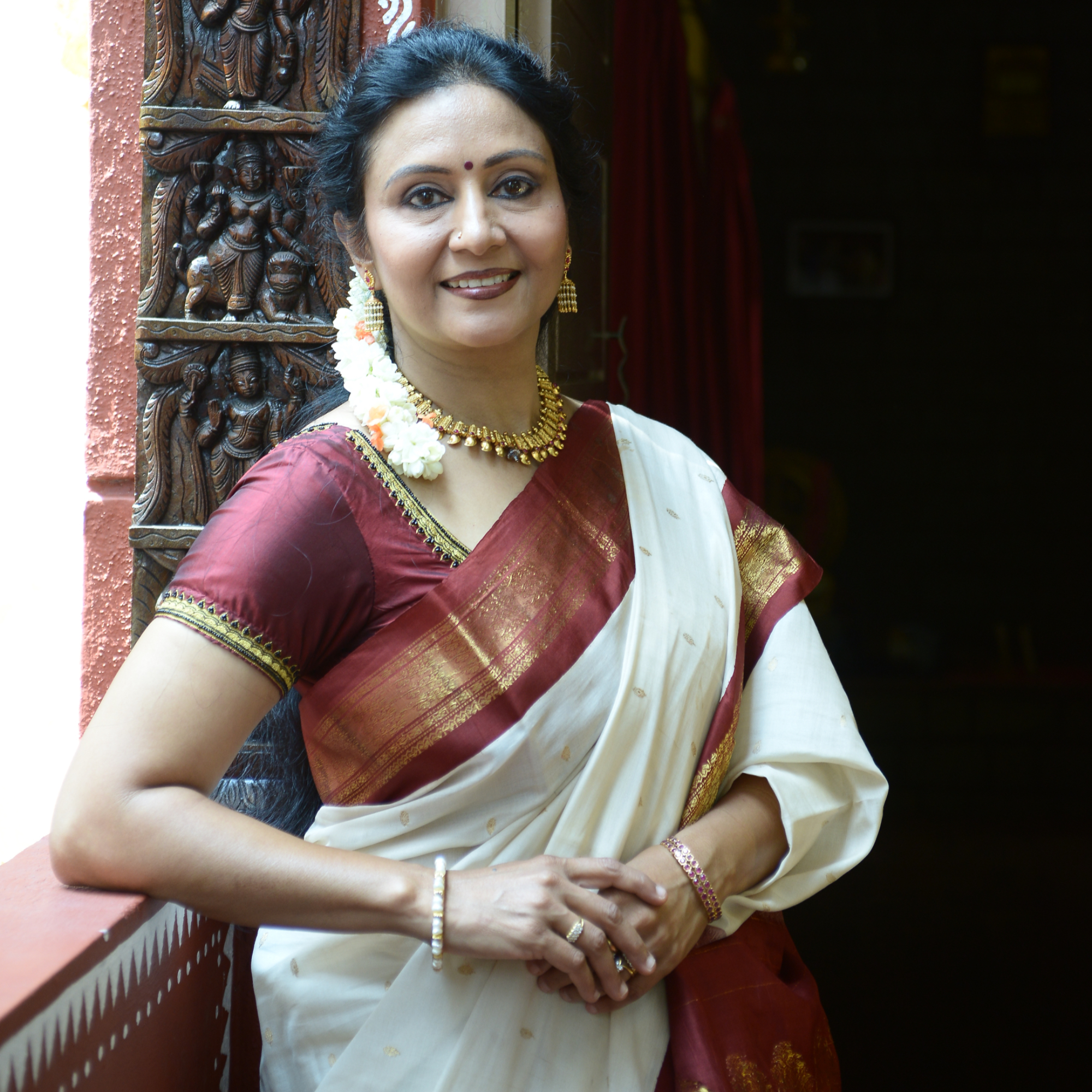
- Karnataka Kalashri Poornima Ashok
- Feb 27
- 3 min read
I wish to share an interesting topic that I happen to listen few years ago in a seminar which is still resonating in my mind and as an active performer and choreographer I have practically witnessed the positive impact of it from past 40 years. Dance is one of the oldest forms of communication. It has existed in every region, every culture, but how does it impact the brain? was the question posed to the attendees.
The topic was regarding a research inside the world of a dancer’s brain drawing parallel’s with Neuroaesthetics or you can say Neuroscience of dance. This research explores the neuroplasticity of the dancers brain ,examining how rhythmic movement physically restructure neural pathways and at the intersection of art and science,how the brain choreographs the body and how in turn ,dance rewires the mind and optimizes neural processing.

In the past, it was difficult to peer inside the brain as we engage in a physical and creative activity, such as dance, but now, with recent breakthroughs and neuro engineering it is possible . Dance practitioners have had the knowledge and understood the benefits of dance, physical health, emotional release, community building, communication and the research has proved the impact dancing has on the brain. There is increasing scientific evidence to support the intuitive understanding. And it is proved that dancers make ideal candidates for brain study.
It is a fact that dancing evolves our brain, and our desire to dance is embedded into our DNA if we unpack this for a moment. The reason we have a brain is because we move. As the speaker pointed out, mobility is central to everything that is cognitive. Unlike plants, animals need to move throughout the world in order to survive. And since we move, we need a cognitive system, a brain, to comprehend sensory input and make decisions. This is our brain’s ability to adapt and make new neural pathways. Our brains are not fixed, they are dynamic systems constantly changing.
Every time we learn something, neural pathways are created. Think of neuroplasticity as the ongoing dance in science inside our mental lives. New studies indicate that dance may be one of the most neurologically complex brain activities one can do. Dance is a whole brain activity, engaging a wide range of neural networks. And when we engage that many networks at the same time, the very landscape of the brain changes. According to the research team here is a brief breakdown of how dance engages those networks in their hypothesis.
EMOTIONAL - as the dancers express their feelings.
SOCIAL - as they respond to each other and to the audience.
COGNITIVE - as they solve the complex choreography.
SENSORY - as they respond to touch, sight, and sound.
MOTOR - as their mind controls their body.
RHYTHMIC- as they respond to time, and this is usually closely correlated with music.
REWARD- as they experience emotional release, community building, or the self satisfaction of solving the difficult steps.
and finally CREATIVE- So we are made to move and the thinking itself is constantly in motion.
What makes dance unique is that it taps into our physical, emotional, and creative self. It continually asks the mover to problem solve, coordinate, express, and fine tune, and in doing so, it transforms the brain.

The more we learn about the brain, the more we understand the importance of mind- body connection. Movement is more than functional. It defines us. And dance is movement at its most expressive. If we are going to map the human brain, dance is a beautiful portal of physical touch, eye contact, unison movement, by using dance to identify brain synchrony, we can understand and facilitate stronger social interactions.
For individuals dealing with neurological disorders, Dance has emerged as a therapeutic tool with transformative potential. Parkinson’s disease, Alzheimer’s, anxiety, depression, PTSD, have all been treated effectively with dance. The combination of physical movement, emotional expression, and social engagement within a dance setting, creates a holistic approach to healing and this is just tapping the surface of this research potential.
But perhaps at its simplest level, this research demonstrates that dance has long served as one of our greatest gifts. At a heightened time of AI and machine learning, it is increasingly important that we keep our creativity, our humanity, at the forefront of our lives. It’s time we start thinking differently about our bodies, about dance. So that next time when someone is feeling down, unwell, stressed. Turn up that music and let that inner child out. Start dancing, connect with the ancestors, and do that thing we were all born to do.
This article is part of the Amrapali Magazine's FEBRUARY 2026 issue. To read the complete version in print, digital & audio formats, Subscribe Us!


Comments