
Discovering the Vibrant Culture of Assam: A Journey into Assamese Cultural Heritage

Assam, nestled in the northeastern part of India, is a land of enchanting beauty and rich traditions. Its cultural heritage is a tapestry woven with threads of history, art, music, dance, and festivals that have thrived for centuries. Exploring Assam’s vibrant culture offers a fascinating glimpse into a world where ancient customs blend seamlessly with contemporary life. This journey into Assamese cultural heritage reveals the soul of a community deeply connected to its roots, yet open to the evolving rhythms of modernity.
The Essence of Assamese Cultural Heritage
Assamese cultural heritage is a celebration of diversity and unity. The state is home to various ethnic groups, each contributing unique customs, languages, and art forms. This diversity is reflected in the colorful festivals, traditional attire, and culinary delights that define Assam’s identity.
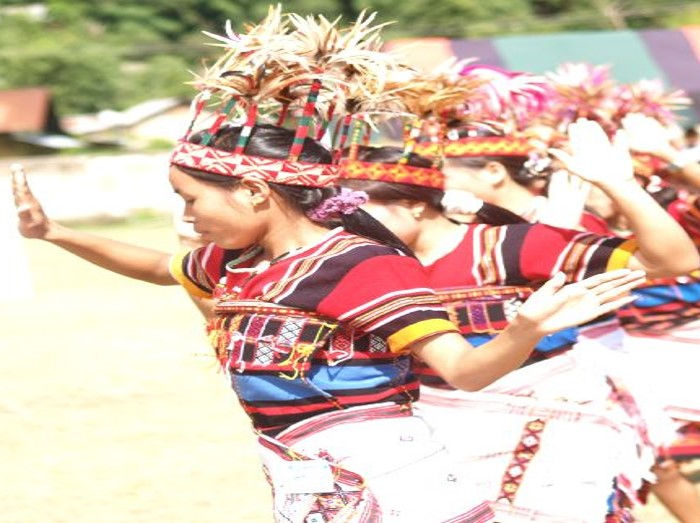
One cannot talk about Assamese culture without mentioning the Bihu festival, the heartbeat of Assam. Celebrated thrice a year, Bihu marks the changing seasons and agricultural cycles. The dance and music during Bihu are infectious, characterized by rhythmic drumming and graceful movements that tell stories of love, harvest, and community spirit.
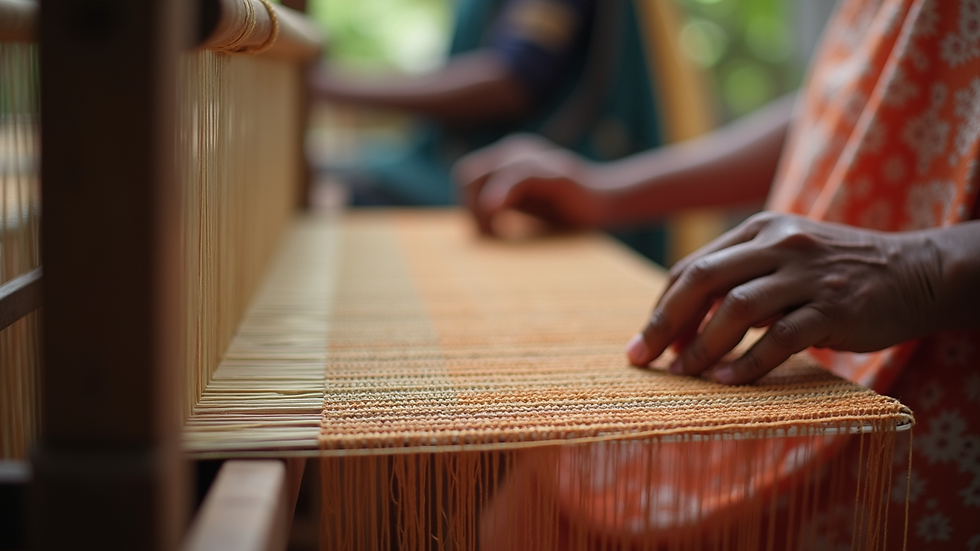
Traditional crafts such as weaving and pottery also hold a special place in Assamese heritage. The exquisite handloom textiles, especially the Muga silk, are renowned worldwide for their natural golden sheen and durability. These fabrics are not just clothing but symbols of pride and craftsmanship passed down through generations.
Exploring Assam’s Artistic Expressions
Art in Assam is a vibrant expression of its people’s beliefs, history, and environment. From the intricate designs of jaapi (traditional conical hats) to the delicate motifs on gamosa (a traditional cloth), every piece tells a story.
Music and dance are integral to Assamese life. The Sattriya dance, one of India’s classical dance forms, originated in Assam’s Vaishnavite monasteries called Sattras. It combines storytelling with spiritual devotion, performed with elegant gestures and traditional instruments like the khol and taal.
Visual arts also flourish here, with local artists drawing inspiration from nature and folklore. Murals and paintings often depict scenes from Assamese epics and daily life, preserving cultural narratives for future generations. For those interested in deeper insights, the assam art and culture scene offers a rich repository of knowledge and inspiration, highlighting the state’s artistic legacy and contemporary creativity.
What is Assamese Traditional?
Assamese traditional life is a harmonious blend of customs, rituals, and everyday practices that have endured through centuries. Traditional attire is a vivid reflection of this heritage. Men typically wear the dhoti and kurta, while women adorn themselves in the mekhela chador, a two-piece garment made from handwoven silk or cotton.
Cuisine is another vital aspect of Assamese tradition. The food is simple yet flavorful, emphasizing fresh ingredients and minimal spices. Dishes like khar (alkaline-based curry), tenga (tangy fish curry), and pitha (rice cakes) are staples during festivals and family gatherings.
Assamese traditional music and oral literature preserve ancient wisdom and folklore. Folk songs, often sung during work or celebrations, narrate tales of love, nature, and heroism. These traditions foster a strong sense of community and continuity.

Festivals and Rituals: The Heartbeat of Assam
Festivals in Assam are more than just celebrations; they are vital cultural expressions that unite people across communities. Besides Bihu, other festivals like Magh Bihu and Rongali Bihu mark the agricultural calendar and are celebrated with feasts, bonfires, and traditional games.
Religious festivals also play a significant role. The Ambubachi Mela at the Kamakhya Temple is a unique event attracting devotees from all over India. It celebrates the fertility aspect of the goddess Kamakhya and involves rituals that are deeply symbolic and spiritually significant.
Rituals surrounding birth, marriage, and death are observed with great reverence, often accompanied by music, dance, and communal participation. These customs reinforce social bonds and cultural identity.
Preserving and Promoting Assam’s Cultural Legacy
In today’s fast-changing world, preserving Assam’s cultural heritage is both a challenge and a necessity. Efforts by local communities, cultural organizations, and government initiatives aim to safeguard traditional art forms, languages, and practices. Educational programs and cultural festivals provide platforms for young artists and performers to showcase their talents. Museums and heritage centers document and display artifacts, ensuring that the stories of Assam’s past remain accessible.
For those eager to experience Assamese culture firsthand, visiting during festival seasons or exploring local craft markets offers immersive opportunities. Supporting artisans and cultural projects helps sustain these traditions for future generations.Assam’s cultural heritage is a living, breathing entity - vibrant, evolving, and deeply rooted in the land and its people. It invites us all to appreciate the beauty of diversity and the power of tradition.
Discovering the vibrant culture of Assam is like opening a treasure chest filled with colors, sounds, and stories that enrich the soul. Whether through its festivals, art, or everyday customs, Assam offers a unique window into the heart of Indian heritage. Embracing this cultural journey not only broadens our understanding but also connects us to a timeless legacy worth celebrating.


Comments