

BETWEEN OCEAN AND RAINFOREST: The Living Legacy of India in Guyana
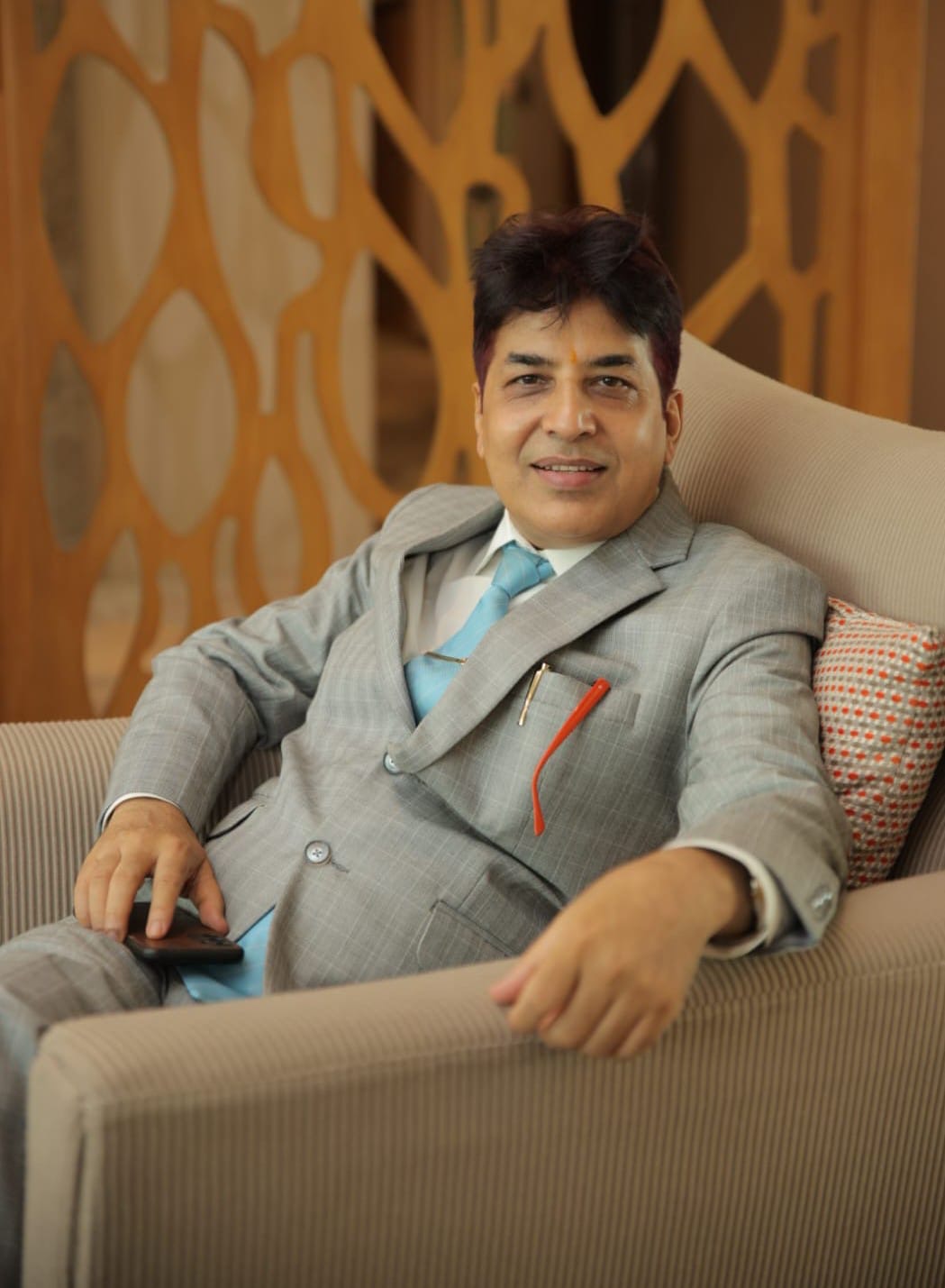
My Journey in Guyana: A Love Story Across Two Seasons
I have spent nearly seven years, and I am still counting in this gentle, vibrant land. Not in one continuous stretch, but across two distinct phases, two cherished roles, and two lifetimes of learning. From 2014 to 2018, I arrived as a humble dance teacher at the Indian Cultural Centre, my feet fresh with the rhythms of India, my heart eager to share the language of Mudra and Tala with students who would soon become family.
Then, from 2023 to the present, I returned as the Director of the very same institution. A homecoming wrapped in responsibility. A second innings written by destiny.
Between these two tenures across the gap of five years Guyana never left me. Its rivers kept flowing through my dreams. Its coconut water remained the sweetest memory on hot Indian afternoons. And its people… its people taught me that culture does not fade with distance; it only ripens. What you are about to read is not a diplomatic report. It is not a list of achievements or official statements. It is my heart’s summary of Guyana the way I found it, the way I lived it, and the way it forever changed me. This is the land where the Atlantic meets the jungle. Where seven curries steam on a single plate. Where diya lights flicker against the Caribbean night, and the Ramayana is chanted with the same devotion as on the banks of the Sarayu. This is Guyana my second home. And this is my story.

Guyana - A Painter’s Dream, whose name means “Land of Many Waters,” is a hidden gem on the northeastern shoulder of South America. From the moment you arrive, the land embraces you with its untamed beauty. To the north, the Atlantic Ocean kisses the coastline with a gentle, salty whisper. Further south, the Amazon rainforest unfolds like a green cathedral, home to jaguars, harpy eagles, and waterfalls that sing ancient songs.
The Kaieteur Falls – one of the world’s most powerful single-drop waterfalls – thunders down with a force that feels like the planet’s own heartbeat. The Rupununi savannahs stretch endlessly under big blue skies, where cowboys ride across golden grasslands at sunset. Rivers like the Essequibo, Demerara, and Berbice carve through the land like silver veins, carrying stories of Indigenous peoples, African ancestors, Indian indentured laborers, and European explorers. This is a land of contrasts dense jungle and open savannah, rushing rivers and calm coastal rice fields, colonial architecture and thatched-roof Amerindian huts. Every corner of Guyana is a postcard waiting to be captured.
Guyana - A Tapestry of Many Threads is not just a country; it is a living museum of human unity. Six main ethnic groups – Indo-Guyanese, Afro-Guyanese, Amerindian, Chinese, Portuguese, and Mixed – have lived, struggled, celebrated, and built this nation together. What emerges is not a melting pot where differences dissolve, but a harmonious mosaic where each piece shines while fitting perfectly with the others. You will hear Chutney music blending Indian melodies with Caribbean rhythms. You will see Masquerade bands with African roots dancing on Boxing Day. You will taste Cassava bread from Amerindian traditions and Pepperpot – a slow-cooked meat stew – that carries the legacy of the African ancestors. Guyanese people greet each other with warmth, whether in English, Creolese, or Hindi phrases like “Namaste” and “Kaise ho?”. This is a nation that celebrates unity in diversity not as a slogan, but as a daily lived reality.
The Sanātana Sanskriti tradition arrived in Guyana with Indian indentured laborers in 1838, and it has not only survived but flourished across 188+ years. Even today, the Sanskrit mantras, the chanting of the Gayatri, the singing of bhajans, and the reading of the Ramayana and Bhagavad Gita are alive in Guyanese homes. The Pandits here chant Vedic mantras with the same pronunciation and devotion as in Varanasi or Rishikesh. Havan (fire offerings), Aarti, Katha, and Puja are performed not as rituals alone, but as living connections to ancestors and to Mother India. The eternal culture of India is not a memory here; it is the very breath of the Indo-Guyanese community.

A traditional Indo-Guyanese Hindu wedding is a week long festival of love, faith, and family from the turmeric-smeared laughter of Matikor to the seven sacred steps around the holy fire. The wedding feast is completely vegetarian, featuring seven curries served on a lotus leaf, kheer, mitahi, and fresh coconut water. It is a living archive of Vedic traditions, preserved lovingly thousands of miles from the Ganges. Guyana’s tropical sun can be intense, but relief is never far away. Every roadside stall, every village shop, every market offers fresh green coconut water – cool, sweet, and naturally hydrating. The vendor will slice the top of a fresh coconut with a machete in one swift motion, hand you a straw, and smile.
Guyana has perfected the art of Indo-Caribbean fusion cuisine. The most famous expression of this is the legendary Seven Curry meal – traditionally served at weddings, festivals, and major family gatherings. The Guyanese Seven Curry is a vegetarian feast served on a lotus leaf at weddings and pujas. Seven vegetable curries — from sweet pumpkin to tangy mango — sit beside rice, golden puri, and spicy achar. Eaten without utensils, this is not just food. This is devotion, tradition, and love — served warm.
Other than the seven curry, Guyanese cuisine features Pepperpot (a rich, dark Christmas stew made with cassareep, cinnamon, cloves, and hot peppers), Cook up Rice (a one-pot comfort dish with coconut milk, beans, meat, and pumpkin), Pholourie (crispy split pea fritters served with tamarind chutney), Roti and Curry (Indian-style roti with fragrant jeera-spiced curry), and Guyanese Black Cake (a dense, rum-soaked fruit cake for weddings and Christmas). These are all essential parts of the delicious menu enjoyed by Guyanese people.
Guyana celebrates a spectacular range of festivals, many of which are directly connected to India’s cultural calendar.
Phagwah (Holi): The Festival of Colors - Celebrated in March, Phagwah is a joyous explosion of colored powders (abrack), water balloons, and music. The singing of Chowtal (folk songs sung in a call-and- response style) fills the air. People dance to tassa drums, smear each other with red, green, blue, and yellow, and feast on Pholourie and sugar cake. It is a day when all of Guyana – regardless of ethnicity – joins in the fun.

Diwali: The Festival of Lights - In October or November, Guyana transforms into a fairyland. Thousands of clays diyas (deyas) are lit on every windowsill, porch, and temple step. Entire neighborhoods glow with soft, flickering light. The story of Lord Rama returning to Ayodhya is retold through Ramayana readings, and families share gulab jamun, barfi, and curry. Diwali here is quieter than Phagwah, but deeper – a night of prayer, meditation, and gratitude.
Indian Arrival Day (May 5): This is Guyana’s most emotionally powerful festival. On May 5, 1838, the first ship carrying Indian indentured laborers – the Whitby – arrived in Guyana. On this day, Guyanese of Indian descent remember their ancestors’ journey across the Kala Pani (dark waters), their struggles on sugar plantations, and their determination to preserve their culture. There are cultural performances, speeches, re-enactments, and a special prayer meeting at the monument in Georgetown.
Maha Shivratri: Devotees stay awake all night, chanting Om Namah Shivaya and offering bilva leaves to the Shiva Lingam.
Janmashtami: Celebrated with midnight prayers, jhanki (tableaux of Krishna’s life), and fasting.
Eid-ul-Fitr: Guyana’s Muslim community (many of whom are also of Indian origin) celebrates with special prayers, sweet seviyan, and community feasts.
Mashramani: Affectionately known as ‘Mash’,is Guyana’s vibrant annual carnival-style festival celebrating the nation becoming a Republic in 1970. Rooted in an Amerindian phrase meaning ‘celebration
after hard work’, the February 23rd event features spectacular costume competitions, float parades, steelpan music, calypso, and street dancing that unites all ethnic groups.
Easter & The Rupununi Rodeo (April): Easter weekend is exceptionally busy. In the Rupununi region, the famous Rupununi Rodeo takes place in Lethem, a massive celebration of the country’s ranching and cowboy culture complete with bull riding and livestock events.
Bartica Regatta (Easter Weekend): Held in the town of Bartica, this is an action-packed, multi-day sporting and cultural event featuring high-speed powerboat racing, jet-skiing, and pageants.
Emancipation Day (August): A vital public holiday commemorating the abolition of slavery. Celebrated widely, especially in Georgetown's National Park, it features traditional drumming, dancing, and beautiful African heritage attire.
In Guyana, festivals are never exclusive. Everyone visits everyone. Hindus attend Eid parties; Muslims light diyas for Diwali; Christians enjoy Phagwah. This is the Guyanese way.
The bond between Guyana and India is not merely diplomatic or political – it is blood, heart, and soul. 1838 to 1917: Over 238,000 Indians (mainly from Uttar Pradesh, Bihar, Bengal, and Tamil Nadu) arrived in British Guyana as indentured laborers. They brought with them their language, their gods, their food, their songs, and their wedding rituals. Unlike some other diaspora communities, Indo-Guyanese fiercely preserved their culture. Hindi was spoken at home until the mid-20th century. Temples were built before schools. The Ramayana and Gita remained sacred texts. Today, India is Guyana’s trusted partner. Indian films, music, and television serials are immensely popular. Bollywood songs play at weddings. Yoga is practiced nationwide. ICCR sends Indian teachers of dance, music, and Hindi to Guyana. Many Guyanese visit India for pilgrimage, education, or medical treatment.

The Indian High Commission in Guyana is very active. India has given lines of credit for development projects, donated medicines, provided ITEC scholarships, and supported Guyana’s bid for international recognition. Prime Minister Narendra Modi’s historic visit to Guyana in 2024 was a landmark event, celebrated with enormous enthusiasm. Swami Vivekananda Cultural Centre (SVCC) is the Indian Cultural Centre of Indian Council for Cultural Relations (ICCR) in Georgetown. It is the oldest among all the cultural Centre’s established by ICCR. The Centre was established in 1972 with the aim of strengthening cultural relations and mutual understanding between India and Guyana and their people. The Centre is conducting regular classes in Yoga, Vocal, Dance and Hindi classes. The Centre also conducts outreach classes on the said subjects across Guyana. The Centre also conducts various activities under its expanded domain of activities including regular Hindi Club Class (Hindi Baat Cheet), Sanskrit class, cooking class, Sari Draping Demonstration – fortnightly and movie screening in addition to its regular classes. Guyanese peoples consider the Centre as a hub of harmony and nodal agency of Indian culture and SVCC offers them an opportunity to continue the traditions of their Motherland. An Auyush Information Cell has been established in the premises of SVCC in the year 2024. Auyush Information Cell is an initiative of Ayush Mantralaya of Government of India to provide information and support the heritage of the Indian system of medicine.
Guyana - A Land of Eternal Harmony is small in population but vast in spirit. Its landscape is a divine painting. Its culture is a gentle, beautiful unity. Its wedding system is a living Vedic ritual. Its coconut water is the taste of the tropics. Its seven curry is a celebration of earth’s bounty. Its festivals are a calendar of joy. And its connection with India is not nostalgia – it is a living, breathing, daily reality. To visit Guyana is to fall in love with resilience, beauty, and warmth.
And to know Guyana is to understand that culture does not die – it simply finds new soil and grows even more beautifully. In the land of many waters, one eternal heart beats – and that heart remembers India in every prayer, every curry, and every diya that flickers against the Caribbean night.


Comments