

Amrapali Magazine - Celebrates Culture, Kathak and Creative Learning in Guyana
The cultural ties between India and Guyana found a special expression in Georgetown as Amrapali Magazine unveiled its June 2026 issue, Ganga to Demerara, alongside the launch of Kathak Kalpika, a comprehensive course book on Kathak dance, bringing together heritage, history, literature, dance and cultural learning.

The occasion, held on 1 July 2026, was particularly significant as it marked a celebration of the magazine's Guyana-focused issue while also becoming a platform for sharing Indian artistic traditions with a wider audience.
The event was graced by Ms. Savitri Sonia Parag, Hon’ble Minister of Education, Cooperative Republic of Guyana who represented His Excellency Dr. Mohd. Irfaan Ali, President of Cooperative Republic of Guyana and attended by several distinguished guests, including Mr. Donald Ramotar, former President of Guyana; Mr. Manoj Kumar, Acting High Commissioner, High Commission of India, Guyana; Swami Rishi, Founder of Shri Mariamman Temple, Miami, USA; Pt Rabindra Persaud, Hindu Spiritual Leader, Georgetown; Mr Aditya Persaud, Emcee and Culture Activist; Mr Neaz M. Subhan, veteran journalist, broadcaster and CEO of NCN TV, Guyana; and Mr Rudra Jayanta Bhagawati, Director, Swami Vivekananda Cultural Centre, Guyana, among others.
At the centre of the June issue was the evocative cover story, “Ganga to Demerara: The Living Legacy of the Girmitiyas”, which explores the historical and cultural journey connecting India with Guyana through the experiences and legacy of the Indian diaspora.
The choice of Ganga to Demerara as the cover story was more than a historical theme. It represented a journey of memory, migration and cultural continuity. It introduced many Guyanese who brought reformations to their country. The stories of the Girmitiyas are not confined to the past; they continue to resonate through language, religion, food, music, customs, family traditions and community life.
The launch generated considerable interest among the invited guests, particularly around the importance of archiving history and culture. The discussions highlighted a fundamental question: what happens to a society's collective memory if its stories are not documented?

For Amrapali Magazine, archiving is not simply about preserving old photographs, documents or narratives. It is about ensuring that future generations have access to the memories, experiences and cultural expressions that have shaped their communities. The enthusiastic response from the audience in Guyana reaffirmed the importance of creating such cultural archives and taking them beyond geographical boundaries.
The occasion also witnessed the launch of Kathak Kalpika: The Ultimate Course Book on Kathak Dance for Beginners, Intermediate and Advanced Learners, authored by Dr. Pranaame Bhagawati. The book seeks to provide a structured learning resource for students of Kathak across different stages of their training. Its launch in Guyana added another dimension to the evening, connecting the preservation of cultural history with the preservation and transmission of an Indian classical dance tradition.
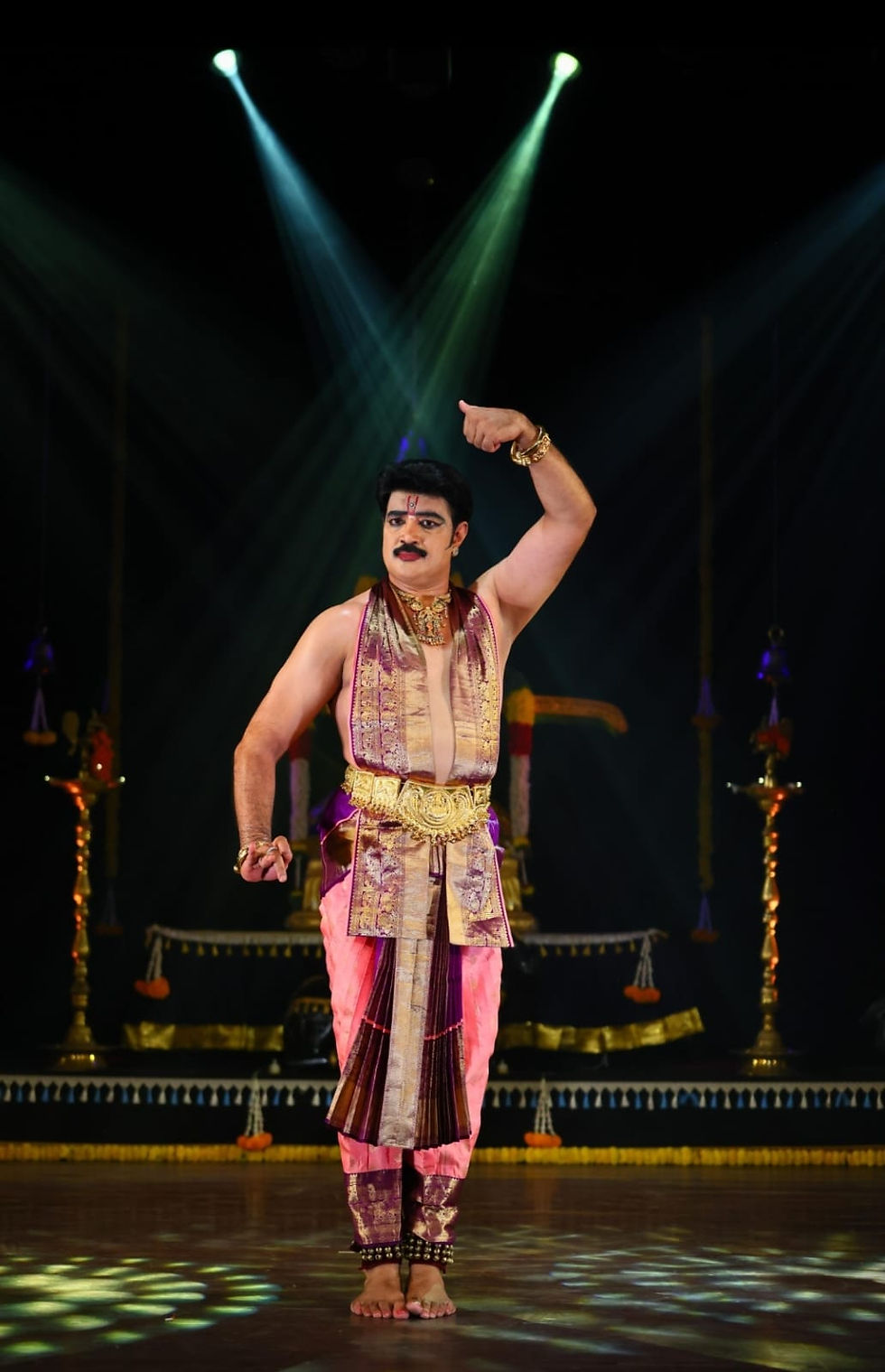
Kathak, which has evolved through centuries of artistic practice and transmission, represents precisely the kind of living heritage that requires both documentation and continued practice. By bringing a comprehensive learning resource to an international audience, the launch of Kathak Kalpika became an extension of the larger cultural mission represented by the magazine.
The book launch was also significant in the context of the Guru–Shishya tradition, through which Indian classical dance has historically been transmitted from one generation to another.
While books and digital resources can make knowledge more accessible, the deeper learning of an art form continues through practice, guidance and sustained engagement with the tradition.

The celebrations extended beyond the formal launch ceremony through a week long creative learning programme at Maharshi Dayananda Gurukula in Guyana, where students participated in capsule courses in Arts & Crafts and introductory Kathak dance.
The workshop conducted by Dr. Pranaame Bhagawati offered students an opportunity to encounter Indian artistic traditions through practical learning rather than simply observation. The Kathak sessions introduced students to the fundamentals of the dance form, while the Arts & Crafts sessions encouraged them to explore artistic skills in ways that could potentially develop into entrepreneurial opportunities.
The response from the students was encouraging, with their learning captured through practical engagement and creative exploration. The programme demonstrated how traditional artistic knowledge can be introduced in contemporary educational settings while also opening conversations around creativity, skills and entrepreneurship.
The experience was described as a meaningful culmination to a week of creative learning at the Gurukula. For the organisers, the workshops also represented something larger, the possibility of Indian artistic knowledge traveling across continents and finding new learners far from its geographical roots.
The Guyana initiative by the AMRAPALI (Society for Arts) demonstrated that cultural exchange does not necessarily have to begin with a large festival or a grand performance. Sometimes, it begins with a book, a classroom, a dance movement, a craft activity or a conversation about history.
A student learning a Kathak tatkaar in Guyana may be thousands of kilometres away from India, but the act of learning creates a cultural connection. A young person exploring an Indian craft tradition begins to understand a different aesthetic vocabulary. A community reading about the Girmitiyas discovers that its own history forms part of a much larger story of migration and cultural resilience.
This is where the work of cultural institutions, publications and artistes becomes particularly important. Amrapali Magazine's Guyana issue, the launch of Kathak Kalpika and the accompanying workshops came together as three different forms of cultural transmission - documentation, education and practice. One preserved memory. One documented knowledge. And one created an opportunity to experience that knowledge. Together, they reflected the larger purpose of cultural exchange: not simply to showcase heritage, but to allow it to be understood, experienced and carried forward. The Guyana programme therefore became more than the launch of a magazine issue. It was a celebration of the continuing journey of Indian culture, from Ganga to Demerara, from the pages of history to the classroom, and from one generation to another.



Comments